32 Questions on Japan Thomas Gray April 2009
1. Where did you visit and where is it located?
We visited Japan and it is west of Asia. We saw the cities of Sagamihara, Kyoto, Hakone, Hiroshima, Miyajima.
2. How much rainfall occurs annually?
It rains between 55 and 60 inches a year in Japan.
3. Are there distinct seasons? Which season was it when you where there?
There are distinct season. They are summer, fall, winter, spring. We were there in the spring time.
4. What was the average temperature when you were there?
It averages about 20°C. Some evenings were cooler.
5. Ethnic Groups - does the community look homogenous or does it have lots of diversity?
Japan is very homogenous population with Japanese make up 98.5% Koreans .5% Chinese .4% other .6%
6. How many people live in the region and country?
127 million live in Japan.
7. Do most people live in the rural and small towns or in big cities?
Most people live in the cities – one source said 66% live in urban settings, but it seemed higher than that.
8. What is average Income?
The average income per person in Japan is $35,474 per person. That makes it the highest of any country we visited.
9. What does a typical house of a local person look like?
Small and no beds or couches to sit on.
10. Wealth Distribution - Do you see examples of very rich and very poor people, or does it look like most people have the same standard of living?
You did not see many examples of poor people. We never saw anyone who you thought was homeless.
11. Is the area known for a specific type of art or craft?
Dolls, bonsai trees, Kabuki, haiku, and origami are all well known Japanese arts and crafts
12. What kind of music do you hear playing?
You never heard much music, but we did see some Japanese drumming at the kite festival
13. What sports do the kids play?
The kids play baseball and soccer.
14. Television - did they have satellite with lots of choice or not?
No satellite, but 8 channels all in Japanese
15. How does the food compare to Canada - variety, common staples, etc?
It was very different from Canadian food. There was more rice and fish and noodles in the meals.
16. What kind of Meat do you see in the grocery stores?
You would see a lot of fish, and some chicken, beef, but not much pork.
17. Local specialties - what type of food are they known for?
Donburi, Gyoza, Ramen, Rice, Seaweed, Soba, Soya Bean, sashimi, sushi, Tempura are all well known Japanese food.
18. What new food did you try that you never had before?
I tried Donburi, Gyoza, Ramen, , Soba, Soya Bean, and sashimi.
19. Does Dad like the wine in the country or does he drink something else?
He don’t like Japanese wine but he likes their beer.
20. Currency name – do they use also use U.S. Dollars?
The currency is called the Yen and they don’t the US dollar.
21. What is Conversion to U.S.?
98 yen to one U.S. Dollar.
22. How much does it cost to buy fish & chips?
They don’t sell fish and chips but they sell fish and rice
23. What are Primary industries?
Japan is among world's largest and technologically advanced producers of motor vehicles, electronic equipment, machine tools, steel and nonferrous metals, ships, chemicals, textiles, and processed foods.
24. Americanization - do you see examples of things from home?
There were lots of McDonalds, Starbucks, Coke and 7-11 Stores.
25. Are there any unique animals, birds and or marine life that you saw?
Hawks at Enoshima were about the only wildlife we saw. We did see a sign that said “Beware of wild squirrels”.
26. Do you see any efforts to preserve the natural wildlife areas?
No. What wildlife?
27. What was the favorite activity you did on this part of the trip?
Sleeping was fun.
28. What is the main Language spoken?
Japanese is spoken.
29. List a few key phrases and their meaning of words that you learned.
Mushi mushi is how you say hi on the telephone.
Hai means yes
Konichiwa means hello when you greet someone in person
Futon means bed
Sashimi is raw fish
30. What is the thing you will remember most about this part of the trip?
I think I will always remember the effects of the A-bomb that we saw at the Peace Memorial Museum in Hiroshima.
31. What was your favourite activity that you did on this part of the trip?
I liked trying the food and eating with chop sticks.
Saturday, May 23, 2009

Friday, May 22, 2009
Japan Stuff
My parents forcibly took me to Japan in the year, 2009. I found it really strange and you would never guess that Japanese look just like Japanese. Unless you have a Japanese friend it is really hard to get around. They had so many weird things there and if you read on you will learn more.
The house is so small it could not even fit into our garage.
A Rice cooker is in the house so people always have rice at the ready.
Futons are the type of bed you sleep on which they are small blankets on the floor. Rice carpets called “tatami mats” are slippery and the rooms are fitted so they can fit evenly into the room. In Japan the room measured by how many tatami mats it can fit. The televisions are so expensive and have like 6 or so channels.
Some toilets are small and are just like a flushable hole in the floor.
When people bath, they shower a first and then hop into a bathtub which the water stays in all week.
Here are some observation about the foods I liked in Japan.
Seaweed is a dark green plant from the ocean that is served in many ways.
Most sushi is hard to pick up with chopsticks.
Sashimi is just raw fish.
Jellybeans are jelly covered in sugar.
Cakes are small, not as sweet and decorated nice and are light.
These are some foods I did not like in Japan
Sea urchin is yucky and slimy like a slug.
Squid on stick is tough and hard to keep on the stick.
Pickles were crunchy and sour.
Eggplant tasted like mushrooms.
Mushrooms tasted like mushrooms.
Ice tea was worse than U.S. Ice Tea because it was strong and unsweetened.
Green tea tasted like warm water.
Strong green tea ice cream was just terrible.
The house is so small it could not even fit into our garage.
A Rice cooker is in the house so people always have rice at the ready.
Futons are the type of bed you sleep on which they are small blankets on the floor. Rice carpets called “tatami mats” are slippery and the rooms are fitted so they can fit evenly into the room. In Japan the room measured by how many tatami mats it can fit. The televisions are so expensive and have like 6 or so channels.
Some toilets are small and are just like a flushable hole in the floor.
When people bath, they shower a first and then hop into a bathtub which the water stays in all week.
Here are some observation about the foods I liked in Japan.
Seaweed is a dark green plant from the ocean that is served in many ways.
Most sushi is hard to pick up with chopsticks.
Sashimi is just raw fish.
Jellybeans are jelly covered in sugar.
Cakes are small, not as sweet and decorated nice and are light.
These are some foods I did not like in Japan
Sea urchin is yucky and slimy like a slug.
Squid on stick is tough and hard to keep on the stick.
Pickles were crunchy and sour.
Eggplant tasted like mushrooms.
Mushrooms tasted like mushrooms.
Ice tea was worse than U.S. Ice Tea because it was strong and unsweetened.
Green tea tasted like warm water.
Strong green tea ice cream was just terrible.
Monday, May 4, 2009
Kite festible

We went to The Giant Kites of Sagami Festival today. They had really big kites weighing over 2 thousand pounds. People can die at the festival by getting picked up by the kite and thrown afar as they try to launch it. We got to go very close to the kite and it look it was badly painted and held together by string, paper, bamboo, paint and occasionally the odd ant.
We saw weird drumming with people jumping up and down. There was a fish pond there, for 300 yen you got a piece of plastic on with a paper hole and you tried to catch as many fish as possible and you got to keep them.
P.S. The drumming was Japanese
Thursday, April 30, 2009
Riding the trains in Japan
On the Trains in Japan it gets really busy and quiet. It is very clean on the trains and they are carpeted. They run on electricity and wire like on top of streetcar. Every other person has their eyes closed and look like they are asleep. When the doors are about to close they play music. There are two types of trains; ones that go to every station and ones that don’t.
Our apartment is 50 square metres. We sleep on something called a futon, which is a series of blanket on the floor. We have a Television that has only 8 Japanese channels. There is a shower right next to the bathtub, you would shower with soap then jump into a bathtub with the water sitting there all week. We have a rice cooker that has rice is in all the time and as I am writing this I feel like getting some rice to eat, so I am!
Our apartment is 50 square metres. We sleep on something called a futon, which is a series of blanket on the floor. We have a Television that has only 8 Japanese channels. There is a shower right next to the bathtub, you would shower with soap then jump into a bathtub with the water sitting there all week. We have a rice cooker that has rice is in all the time and as I am writing this I feel like getting some rice to eat, so I am!
 |
| Japan |
Monday, April 27, 2009
Japan
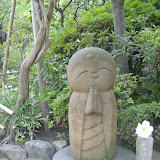
We are in Japan now. Today we are going on a train to Kamakura to see a big bronze Buddha that is 11 .3 meters in hieght and is green.
Kate tried rice yesterday and she said it tasted like dirt. But Kate actually trying something is a miracle. I have eaten sushi and rice and noodle soup that has seaweed in it.
Kate tried rice yesterday and she said it tasted like dirt. But Kate actually trying something is a miracle. I have eaten sushi and rice and noodle soup that has seaweed in it.
Saturday, April 18, 2009
The Rein forest
A couple of days ago we went to a place where my dad parked his car under a tree and when we came back we had tons ants all over the car. The ants were all Green Tree Ants.
They look like a normal red ant with a green butt. Two ants fell off when we drove down the highway. It took a couple days for all of them to finally leave the car. They are unique because they chain together to hold their prey and they have poison in their butts.
Yesterday we went to the Daintree Rainforest. It is 140 million years old, the oldest rainforest in the world. It is also a World Heritage Site because of it is so old and the Asians come here before Captain Cook to cut the trees. Reptiles like snakes are the top of the food chain in the rainforest. The pythons here can grow up to 10 meters in length.
A cassowary is a bird like an Emu but is more colourful. It is native to the Daintree Rainforest. It takes a dump in a clearing because it knows that it might be a good place to grow the seeds it eats, which in turn will produce more food for him.
They look like a normal red ant with a green butt. Two ants fell off when we drove down the highway. It took a couple days for all of them to finally leave the car. They are unique because they chain together to hold their prey and they have poison in their butts.
Yesterday we went to the Daintree Rainforest. It is 140 million years old, the oldest rainforest in the world. It is also a World Heritage Site because of it is so old and the Asians come here before Captain Cook to cut the trees. Reptiles like snakes are the top of the food chain in the rainforest. The pythons here can grow up to 10 meters in length.
A cassowary is a bird like an Emu but is more colourful. It is native to the Daintree Rainforest. It takes a dump in a clearing because it knows that it might be a good place to grow the seeds it eats, which in turn will produce more food for him.
Wednesday, April 15, 2009
The Great Barrier Reef
Today I went snorkelling at the Great Barrier Reef. I saw tons of fish and coral. There was a some big brain coral and a big four foot clam. The salt water was warm. There are box jellyfish in the waters which are very poisonous. We had to wear long sleeved lycra suits.
We did 3 snorkel swims. In the morning the coral was most colourful. The coral is actually part plant, part animal and part mineral. Fish are scared of you if you swim near them. The boat ride out to the reef took about 1 1/2 hours. The boat was a catermaran and travelled about 55 km/hour (30 knots). We have booked to go again this coming Sunday.
We did 3 snorkel swims. In the morning the coral was most colourful. The coral is actually part plant, part animal and part mineral. Fish are scared of you if you swim near them. The boat ride out to the reef took about 1 1/2 hours. The boat was a catermaran and travelled about 55 km/hour (30 knots). We have booked to go again this coming Sunday.
Subscribe to:
Posts (Atom)
